
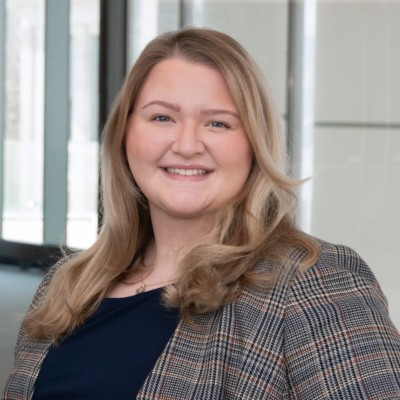
I began my undergraduate career at Case Western Reserve University in 2021 with a clear vision of my future: I was determined to become an international human rights lawyer. Guided by that ambition, I pursued political science and sociology, eager to ground myself in disciplines that interrogate systems of power, justice, and society. Entering college in the midst of a global pandemic and an increasingly polarized world, I felt compelled to seek out intellectual spaces that might expand my perspective beyond what often seemed like an unrelenting cycle of crisis.
That search led me, almost unexpectedly, to the field of art history. In the spring of 2022, I enrolled in my very first art history course, a choice that would quietly but decisively reshape my academic trajectory. What began as a curiosity soon became a revelation: I discovered that my political and sociological training could enrich my interpretation of art, while art itself offered a profound means of grappling with history, identity, and the complexities of human experience. I realized that art is not a retreat from the political but one of its most compelling vehicles—an arena where questions of justice, representation, and community are negotiated and made visible.
From that point forward, I embraced art history not as a departure from my original goals but as a way of deepening them. It opened a new lens through which to understand the world: one that acknowledges the symbolic and cultural forces that shape collective life. Now as an MA student in art history and museum studies at CWRU, public engagement with contemporary art has become central to my academic and professional path.
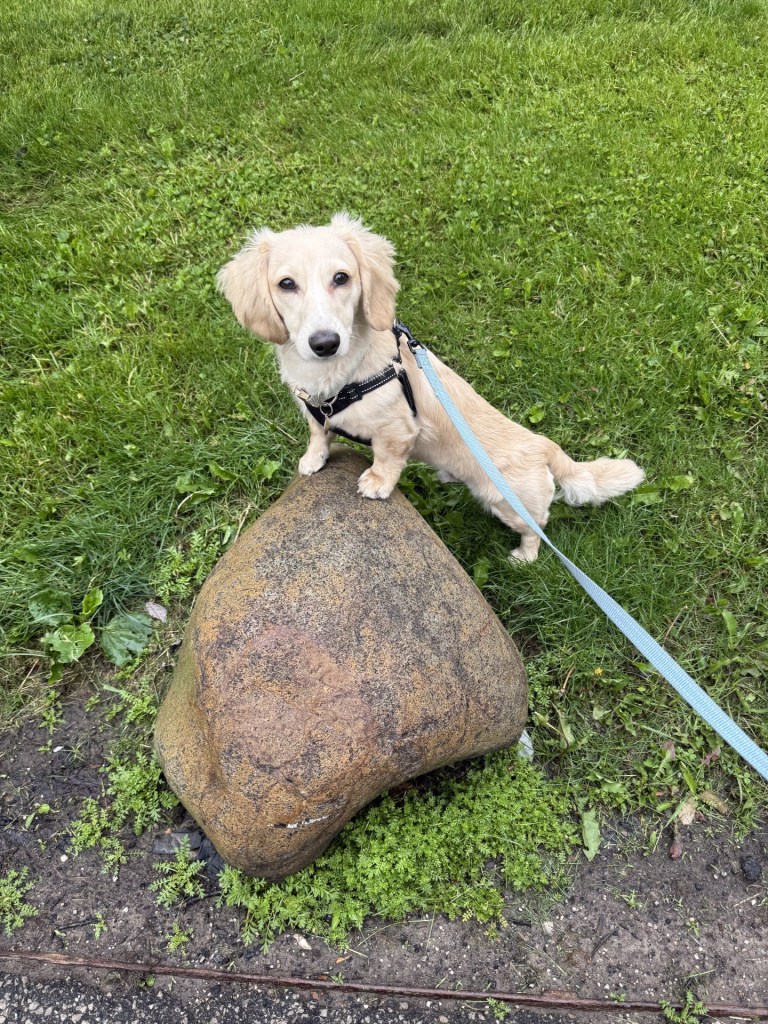
And…Wilbur, the research assistant extraordinaire.
 Madalyn Fox